Vietnamese mango: the best varieties and how to enjoy them
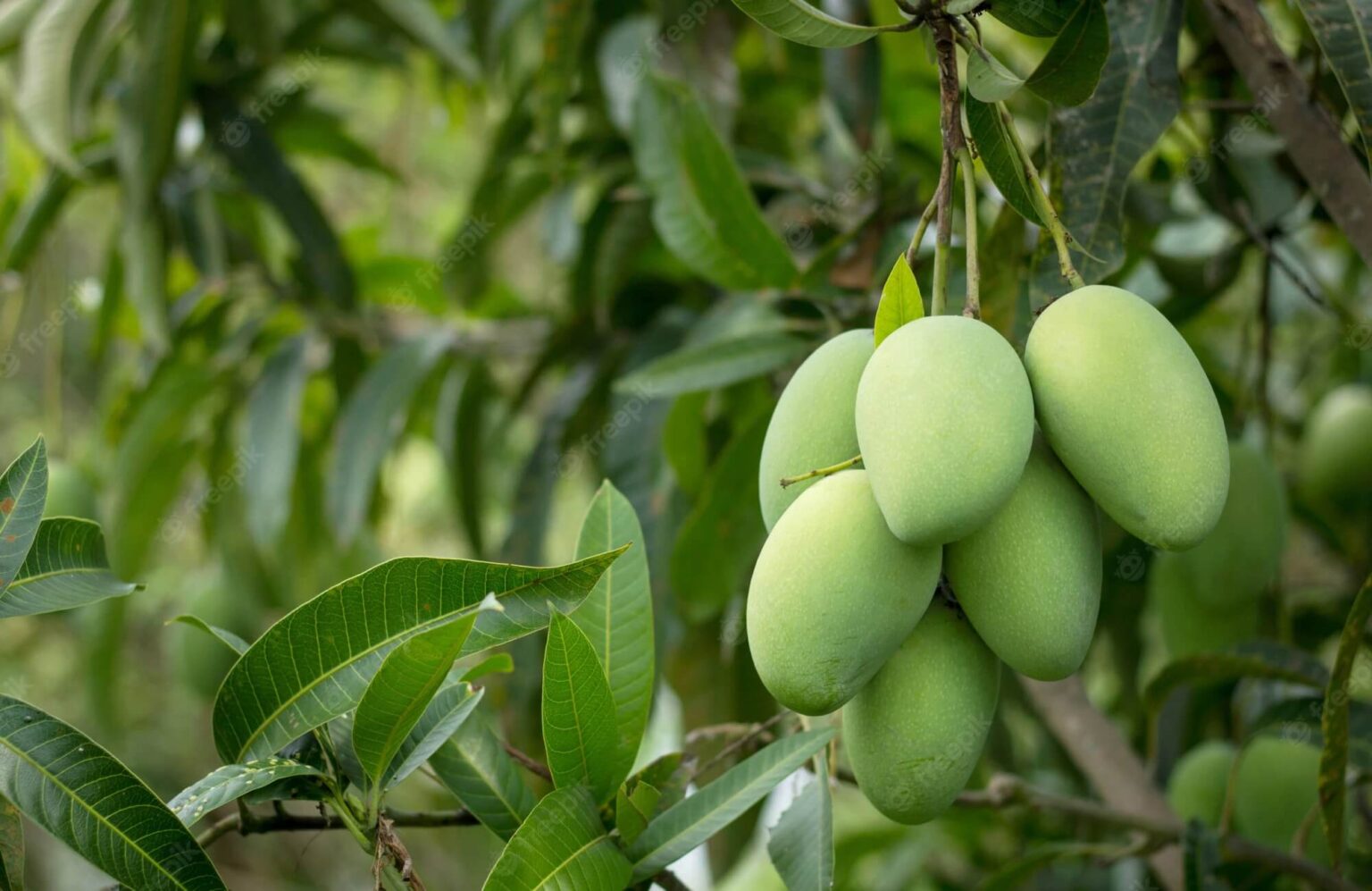
Mango is one of Vietnam’s best-loved fruits, tied to the heavy-laden orchards of the Mekong Delta and the south-central coast. Each variety has its own flavour and sweetness, suited to a different way of eating.
1. Varieties and famous growing regions
Vietnam grows many kinds of mango, each with its own character. Đồng Tháp, Cao Lãnh, Tiền Giang and An Giang are among the country’s most renowned mango-growing areas.
- Cát Hòa Lộc: the celebrated variety from Tiền Giang, with golden, low-fibre flesh and a deep sweet aroma — often considered among the finest mangoes.
- Cát Chu: common in Đồng Tháp, medium-sized with a mellow sweetness and a hint of tartness that makes it easy to eat.
- Keo mango: of Cambodian origin and widely grown in An Giang; eaten green it is crisp and lightly sour, perfect dipped in salt.
- Australian (green-skinned) mango: large fruit with a blushed skin, firm crisp flesh and a clean sweetness.
- Xoài tượng: a very large mango usually eaten green — crunchy and sour, dipped in sweet fish sauce.
2. Mango season through the year
In the south, mango peaks roughly from March to June, when the fruit ripens in abundance and reaches its sweetest. Thanks to flower-forcing techniques and orchards spread across regions, mango is available almost year-round — but it is at its best and most affordable in the main season.
3. Nutrition and benefits
Ripe mango is a generous source of vitamins and antioxidants, and its fibre is good for digestion.
- Rich in vitamin C, which may help support the immune system.
- High in beta-carotene (provitamin A) — the source of the flesh’s orange-gold colour.
- Contains soluble fibre that may support healthy digestion.
Ripe mango is quite sweet, so if you are watching your sugar intake, enjoy it in modest portions and eat it fresh rather than adding sugar.
4. How to choose a good mango
- Pick a fruit that feels heavy for its size, with taut, glossy skin and no wrinkles or bruises.
- For ripe mango, a gentle press should give slightly and evenly, with a sweet aroma near the stem.
- For crisp green eating (keo or tượng mango), choose deep-green, firm fruit.
- Avoid fruit with spreading dark spots or weeping around the stem.
5. Storing mango
- Keep under-ripe mango at room temperature for a few days to ripen naturally; avoid the fridge until it is ripe.
- To ripen faster, place mango in a paper bag with a banana or apple.
- Once ripe, refrigerate and use within three to five days.
- Ripe flesh can be cubed and frozen for smoothies or ice cream later.
6. Ways to enjoy and mix
Ripe mango is best enjoyed fresh, diced or sliced into cheeks. It also turns into many familiar treats: a cooling mango smoothie, mango with yoghurt, mango sweet soup (chè), or homemade mango ice cream.
Crisp green mango, meanwhile, stars in salads: mango salad with dried shrimp or dried fish — tart, crunchy and moreish — or simply dipped in chilli salt or sweet fish sauce.
For smoothies, use frozen mango instead of lots of ice — the drink stays cold and creamy without watering down.
Whether you love the honeyed cát Hòa Lộc or crisp green keo mango with salt, Farm to Door selects mangoes from Mekong Delta orchards and delivers them right at their peak.