Pomelo — Da Xanh, Nam Roi and how to choose well
Pomelo is a familiar fruit on the Vietnamese fruit tray and at the family table. Its juicy segments range from lightly sweet to richly sweet, each variety with its own character — and every region takes pride in a pomelo of its own.
1. Varieties & famous growing regions
Vietnam has many celebrated pomelo varieties, each tied to a region and a season, from the Mekong Delta out to the central and northern provinces.
- Da Xanh pomelo (Ben Tre) — pink flesh, firm segments, richly sweet and low in seeds.
- Nam Roi pomelo (Vinh Long) — pale-gold flesh, cleanly sweet and almost seedless.
- Dien pomelo (Hanoi) — small, yellow-skinned, deeply sweet and fragrant, ripening around year-end.
- Phuc Trach pomelo (Ha Tinh) — a central-region specialty with a gentle, harmonious sweetness.
2. Season
In the warm south, Da Xanh and Nam Roi pomelos fruit almost year-round. In the north, Dien pomelo and many local varieties peak in late autumn and early winter, around October to December, and are especially sought after for the Lunar New Year.
3. Nutrition & benefits
Pomelo is low in calories, high in water and rich in vitamin C. Its natural sweet-tart taste and juicy segments make it a light, refreshing dessert.
- Rich in vitamin C, which helps support the immune system.
- High in water and fibre, a good fit for a light, refreshing snack.
- Low in calories, suiting those who want natural sweetness without the heaviness.
Pomelo can interact with certain medications. If you are on prescribed treatment, check with your doctor or pharmacist before eating a lot of pomelo regularly.
4. How to choose a good one
- It should feel heavy for its size — a heavy fruit is usually juicy and full-segmented.
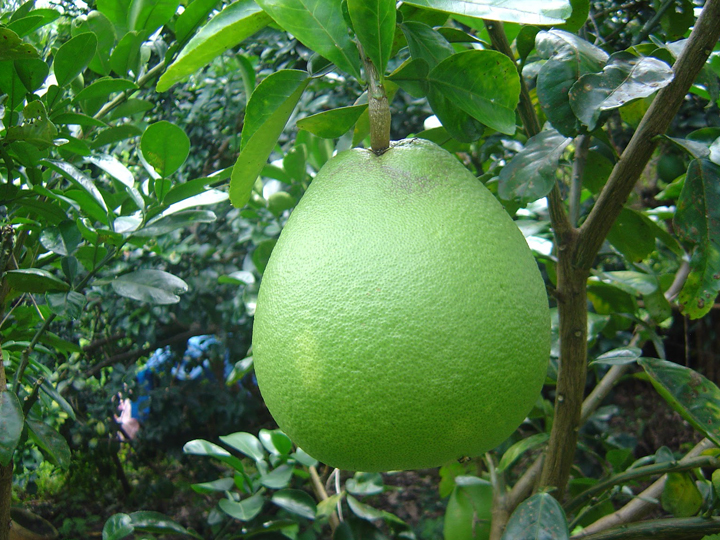
- Taut, glossy skin with large, well-spaced oil glands shows the fruit is mature.
- A fresh stem and a slightly sunken, firm base are good signs.
- Pressed gently, the skin should feel firm — not soft or spongy — meaning it is still fresh.
5. Storage
- A whole pomelo keeps for weeks in a cool, airy spot; the segments grow drier and sweeter over time.
- Separated segments should be sealed, refrigerated and eaten within a few days.
- Save the peel to cook sweet soup, make candied pomelo rind or dry for a fragrant infusion.
6. Ways to enjoy & drinks
Pomelo segments are delicious eaten fresh, but there are many lovely ways to enjoy them too. Toss a pomelo salad with prawns, pork and herbs for a sweet-tart starter; use the segments in a cooling pomelo sweet soup; or brew a warm honey-pomelo tea.
- Juice or muddle the segments with ice and honey for a refreshing cool drink.
- Turn the peel into candied rind or sweet soup to use the whole fruit.
To free the segments neatly without breaking them, score the membrane along the back of each one and peel it away — the flesh comes out whole, dry and attractive.
Whether it is pink-fleshed Da Xanh or cleanly sweet Nam Roi, Farm to Door selects mature, juicy fruit, so every segment reaches you fresh and just as it should be.