Vietnamese jackfruit: varieties, nutrition and storage
Jackfruit is the largest of the tropical fruits, with a heady fragrance and sweet golden bulbs. From the crisp, dry Thai jackfruit to the distinctly aromatic tố nữ, each variety has a character well worth trying.
1. Jackfruit varieties and growing regions
Jackfruit grows across the country, most abundantly in the south-east, the Central Highlands and the Mekong Delta. Some familiar varieties:
- Thai jackfruit (early-yielding): large, golden, crisp-dry, sweet bulbs with little fibre — the most widely grown variety today.
- Tố nữ jackfruit: smaller fruit with soft, chewy bulbs and an intense, distinctive fragrance that many adore.
- Nghệ jackfruit: with deep turmeric-yellow, thick bulbs that are crunchy, sweet and fragrant.
- Mít mật (“honey” jackfruit): soft, honeyed bulbs that are sweeter and moister.
2. Season
Local jackfruit tends to peak in summer, roughly May to August. Thai jackfruit, however, fruits in several rounds and is available almost year-round, so you can find it even outside the main season.
3. Nutrition and benefits
Ripe jackfruit is richly sweet, supplying energy along with vitamins, minerals and fibre. Boiled jackfruit seeds are a rustic, starchy treat in their own right.
- Contains vitamin C and B-group vitamins.
- Rich in potassium, which may help support the body’s functions.
- High in fibre, which may support digestion.
Ripe jackfruit is quite sweet and energy-dense; if you are watching your sugar or weight, enjoy it in modest portions.
4. How to choose good jackfruit
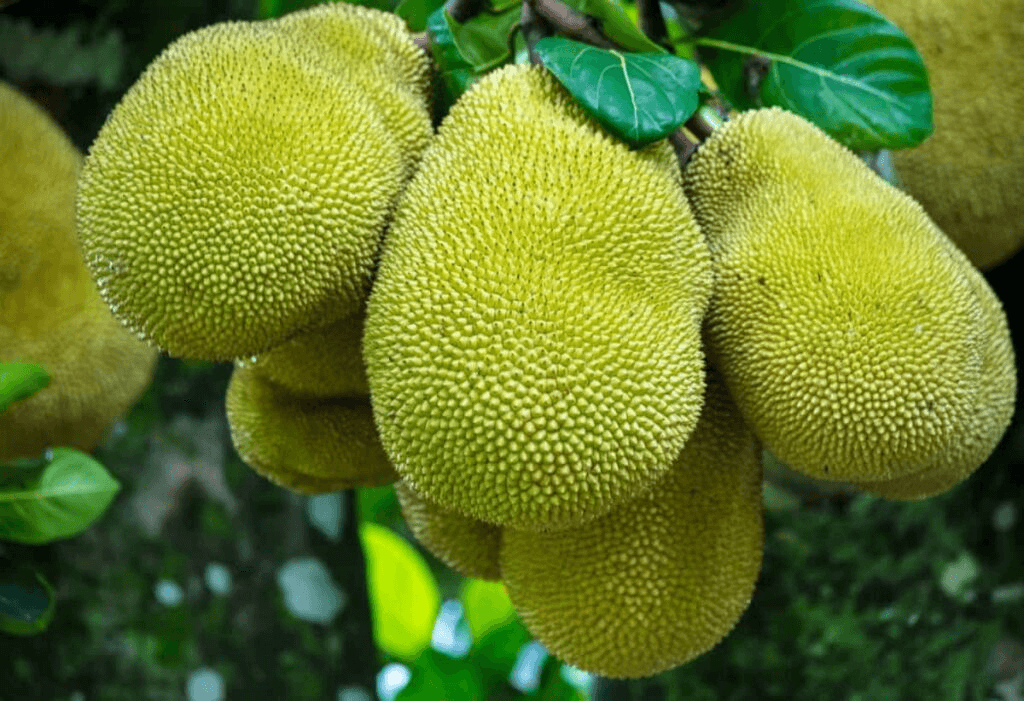
- For a whole fruit: look for evenly spaced, plump spikes that give when pressed, skin turning yellow-brown, and a strong aroma.
- A low, slightly hollow thud when you pat it usually means the fruit is ripe.
- A thick, firm stem and clear, runny latex indicate a mature fruit.
- For pre-packed bulbs: choose bright-yellow, dry, thick and fragrant ones; avoid mushy, weeping bulbs or any with a fermented smell.
5. Storage
- Keep an unripe whole fruit in a cool, airy place to ripen naturally before cutting it open.
- Separated bulbs should be sealed or boxed, refrigerated and used within two to three days.
- For longer keeping, freeze the bulbs; thaw naturally or use them for smoothies and ice cream.
- The seeds can be boiled and kept in the fridge to eat over a few days.
6. Ways to enjoy and mix
Ripe jackfruit is best eaten fresh, its dry bulbs crisp and honey-sweet. Beyond that, it features in countless familiar Vietnamese dishes.
Crisp jackfruit chips make a moreish snack; the bulbs go beautifully into sweet soup (chè), ice cream, smoothies or alongside yoghurt. Boiled seeds are pleasantly nutty, while young green jackfruit is braised, made into salad or cooked in soup.
Freeze the bulbs, then blend with milk and ice for a fragrant, creamy smoothie that needs little added sugar thanks to the fruit’s natural sweetness.
Whether you prefer the crisp-dry Thai jackfruit or the fragrant tố nữ, Farm to Door selects tree-ripened fruit, prepares the bulbs with care and delivers them while their aroma is still at its fullest.